

NEWS: Queensland RHD Cases Drop 30%
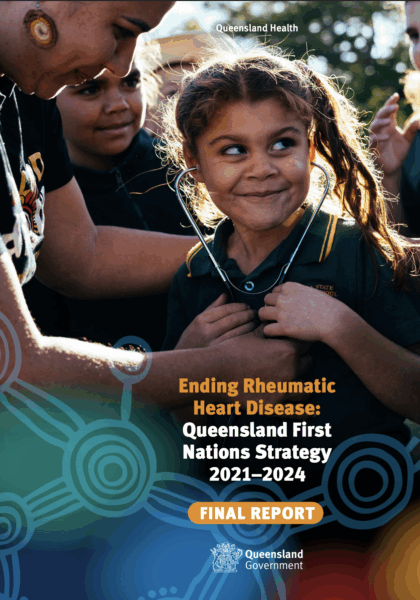
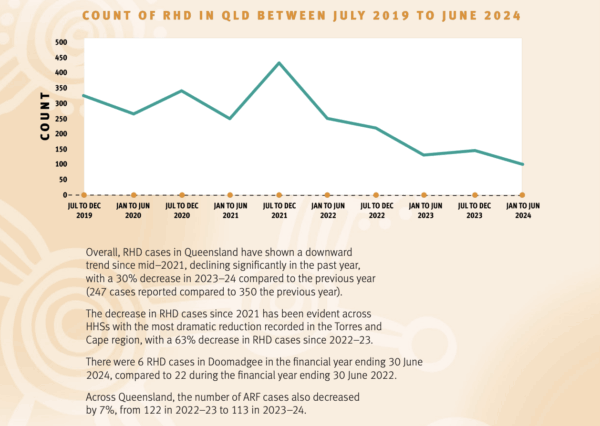
The “Ending Rheumatic Heart Disease: Queensland First Nations Strategy 2021–2024” report on heart disease (RHD) notifications in Queensland shows they have fallen by 30% in the past year, with acute rheumatic fever (ARF) cases down 7%.
Queensland recorded 247 RHD cases in 2023–24, down from 350 the previous year. Across the state, ARF cases dropped from 122 to 113. The downward trend has been evident since mid-2021, with some regions seeing dramatic reductions—the Torres and Cape region recorded a 63% decrease in RHD cases since 2022–23, while Doomadgee dropped from 22 cases to just 6.
These results follow three years of coordinated effort under Queensland’s Ending Rheumatic Heart Disease Strategy, combining clinical care improvements, skin health programs, community-led health promotion, and critically—targeted investment in the infrastructure that enables people to wash.
When Infrastructure Exists, People Use It
The report found communal laundry services and hygeine packs of soap, shampopoo etc were heavily used. Mobile laundries processed approximately 3,700 kilograms of washing across remote Queensland communities in the past year alone. The Healthy Housing Program inspected 143 homes in Yarrabah and 51 on Badu Island, undertaking over 590 hours of direct engagement with families about healthy living practices.
These programs are valuable responses to immediate need. They prove demand exists. They demonstrate that when washing facilities are accessible and functional, people use them heavily.
But they also reveal a more fundamental problem: these interim solutions exist because permanent housing infrastructure has failed first.
The Infrastructure Is Failing, Not the People
Our on-the-ground experience across remote communities shows that people understand how to use showers, washing machines, shampoo, and soap. The issue is not knowledge or behaviour—it’s that the houses themselves are failing to support health.
Showers that don’t drain properly or lack consistent hot water become unusable. Washing machines sized for urban households—6kg capacity—cannot handle blankets or the heavy-duty washing loads typical of crowded housing and hot climates. Poor local water quality damages appliances and reduces their effectiveness. Without routine maintenance systems, small failures compound into complete breakdowns.
Washing Machines and Showers Are Health Hardware
The connection between functional washing facilities and RHD prevention is direct and measurable. Skin sores from scabies and other infections provide entry points for Group A Streptococcus bacteria. Left untreated, these infections can progress to acute rheumatic fever and eventually rheumatic heart disease. Regular washing of both bodies and bedding interrupts this pathway.
This is why Healthabitat has long argued that washing machines belong in the same category as showers, toilets, and taps: they are health hardware, not amenities. The distinction matters. Health hardware must be designed to appropriate specifications, installed correctly, and maintained to the same standard we expect for sewerage systems or water supply.
A 6kg washing machine is not fit for purpose in a household of twelve people in a hot climate. A shower without adequate drainage or consistent hot water is not functional health hardware. The cost is neglible to the cost and trauma of treating chronic disease.
Ongoing key priorities
HH congratulates the work of many hands in reducing RHD in Aboriginal communities and is heartened to see that an additinal $2.88 million was committed in 2025. Now this work moves onto the next phase, titled, “RHD Endgame Strategy” with five key priority areas:
- Aboriginal and Torres Strait Islander leadership
- Community-based programs
- Healthy environments
- Early prevention
- Care and support
Great to see Healthy environments being prioritised to provide long term health impact.