

NEWS: National Clinical Guideline Embeds Housing as Health Intervention – Nine Healthy Living Practices Now Clinical Framework
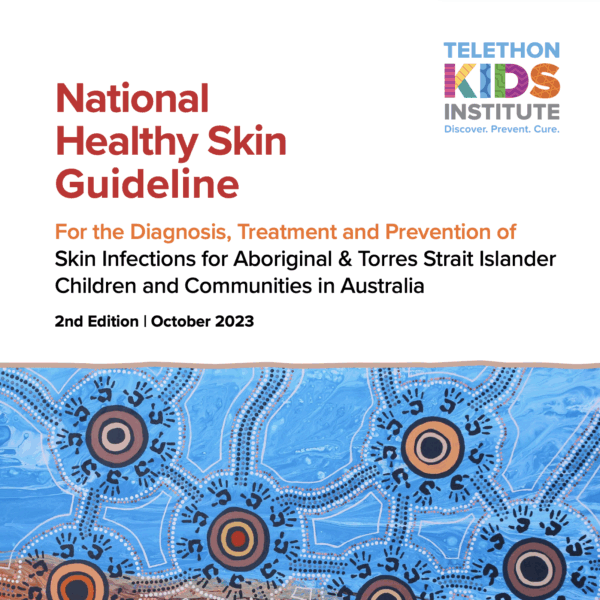
The second edition of Australia’s National Healthy Skin Guideline, endorsed by peak medical bodies including the Royal Australasian College of Physicians and Australasian Society for Infectious Diseases, has explicitly positioned environmental health and the Nine Healthy Living Practices as foundational to clinical care for skin infections.
Published in October 2023 by the Australian Healthy Skin Consortium, the 130-page evidence-based guideline moves housing and health hardware from background context to clinical priority. Chapter 3 dedicates substantial space to “primordial prevention”—addressing root causes before disease develops—and embeds Healthabitat’s Nine Healthy Living Practices as the framework clinicians should use to understand skin infection pathways.
Clinical Recognition of Health Hardware
The guideline explicitly links functional washing facilities, laundry equipment and drainage to skin infection rates. Practices 1 and 2—washing people and washing clothes/bedding—are positioned as direct clinical interventions, not optional amenities. The document states that people without “functional and regularly maintained hardware (taps, sinks and water); consumables (soap and towels); and information” will experience poorer skin health.
Evidence Base Cited
The guideline references the 2020 NSW evaluation of Aboriginal community housing improvements across 20 years. That program, which applied the Housing for Health methodology, demonstrated statistically significant improvements across all health hardware measures. The guideline notes housing programs “are likely to result in improved skin health” and calls for “sustained effort over a longer timeframe” to reduce disease burden.
The Kimberley healthy skin initiative is also cited, showing scabies prevalence dropped from 9.5% to 2.2% following environmental health improvements including plumbing repairs and water/sewage drainage upgrades alongside clinical treatment.
Implications for Advocacy
When peak medical bodies embed environmental health in clinical guidelines, it strengthens the argument that health hardware maintenance should receive health budget allocation, not just housing capital. The guideline explicitly states:
“Investment in housing and healthy environments through ongoing new building and maintenance of homes remains a practical and evidence-based statement for prevention of skin infections.” (page 31)
Clinicians are now being instructed to consider housing conditions as part of medical assessment. The question is whether funding models will follow clinical evidence.