


NEWS: Northern Territory Social Housing Wait Times Measured in Years—Housing SA’s Race to 2030 Retrofit Data Demonstrates Climate Adaptation Solutions for Existing and New Housing Stock
Northern Territory Government’s social housing application page states applicants may wait “years before you get an offer of social housing” depending on location and dwelling type. When housing supply requires multi-year wait times, delivered housing needs to remain functional and thermally comfortable through extended occupancy periods coinciding with projected climate change. Projects like Housing SA’s Race to 2030 APY Lands Energy Efficiency Retrofit Pilot Project demonstrates data backed approaches to design for a changing climate.
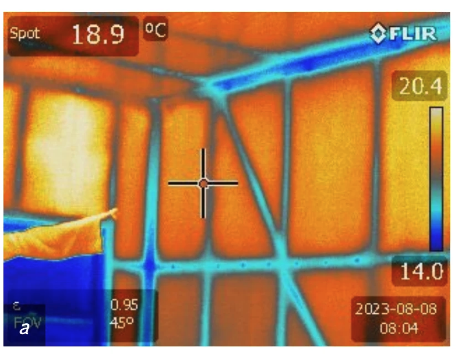
thermal bridging through steel framing reducing bulk insulation thermal resistance by more than half,
Wait time data published June 2025 documents application numbers, allocation rates, and estimated waiting periods for urban social housing across Northern Territory locations. The data demonstrates sustained demand for social housing where supply remains constrained relative to approved applications.
Climate-Adapted Housing Solutions
Housing SA’s pilot project in the APY Lands tested retrofit effectiveness for houses of different ages and constructions. The work modelled 102 scenarios to identify solutions for thermal comfort in extreme temperatures. Key findings: improving airtightness from 29 air changes per hour to 10 ACH reduced annual hours outside the 15°C–30°C comfort range by 16%. Air tightness improvements had the greatest individual impact on heating and cooling energy demands.
The project identified thermal bridging through steel framing reducing bulk insulation thermal resistance by more than half. Modelling demonstrated continuous unbridged insulation layers as effective solutions for reducing thermal bridging in walls and ceilings. Under high-emissions 2050 climate scenarios, hours above 30°C are projected to rise by 150% without intervention.
Data and experience from the pilot can inform future upgrades in other remote locations with similar challenges. The retrofit testing provides measured evidence for adapting existing housing to function under projected climate conditions within current building stock design life.
Application to New Construction
The same thermal performance principles tested in retrofits apply to new housing delivery. When families wait years for housing allocation, delivered dwellings need to maintain thermal comfort and functional infrastructure through extended occupancy periods. Houses delivered in 2026 need to remain liveable in 2046—within the timeframe when climate projections demonstrate substantially increased extreme heat days.
Healthabitat works with housing providers, governments, and communities to apply evidence-based approaches to housing function. The Nine Healthy Living Practices framework assesses whether housing infrastructure supports health outcomes. Thermal performance data from projects like Race to 2030 demonstrates how housing can be designed and retrofitted to maintain function as climate conditions change.
When wait time data measures housing access in years rather than months, and climate projections demonstrate measurable temperature increases within building design life, Housing SA’s Race to 2030 pilot provides evidence-based solutions for both retrofit and new construction that any housing provider can apply.