

Research and Development
Yard Improvement
Solution:
A kit of parts able to be used on many houses to improve the usefulness of the yard area surrounding the house.
Yard areas contain a wide range of activities and service provision and these can contribute significantly in reducing crowding and improving health.
HLPs Targeted:
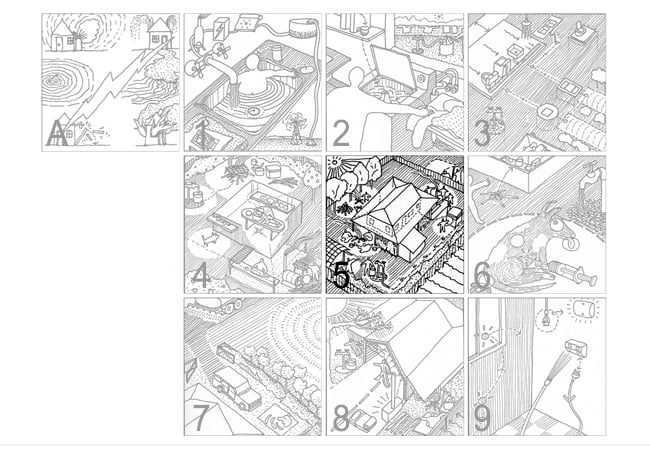
This R&D project focuses on Healthy Living Practice 5 – Reducing the negative impacts of crowding.
Crowded living conditions increase the risk of the spread of infectious diseases, such as meningococcal disease, rheumatic fever, tuberculosis and respiratory infections.
Learn More
Age Groups Affected:
This project effects the living environment of all age groups.
Project Details Better outdoor living - The Yardmaster
- Introduction
- The Problem
- The Solution
- Trial projects
- Where to next?
- From Housing for Health - the Guide
Introduction
Data from the Housing for Health the Guide shows around a third of housing has no yard fencing, less than half have any sign of outdoor cooking facilities and 16% of houses have no verandahs. Yard areas contain a wide range of activities and service provision and these can contribute significantly in reducing crowding and improving health.
Problem: Identifying Poor Environments
Yards are not designed to be used as outdoor living areas.
Solution: Designing for Better Health
To produce a kit of parts able to be used on many houses to improve the usefulness of the yard area surrounding the house to achieve the 9 Healthy Living Practices.
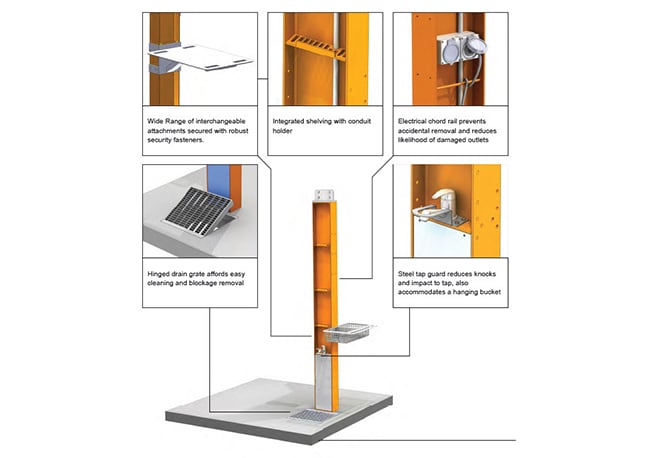
Development of a multipurpose services pole called the “Yardmaster.”
The Problem
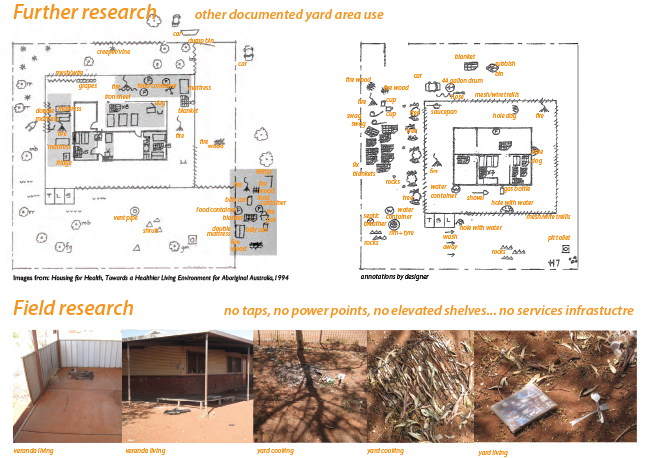
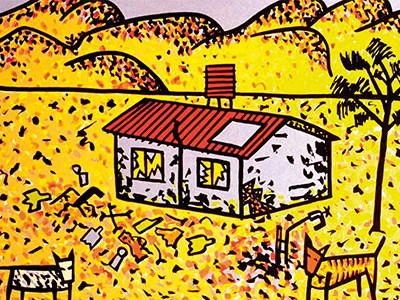
Yards are not designed to be used as outdoor living areas.
The Solution
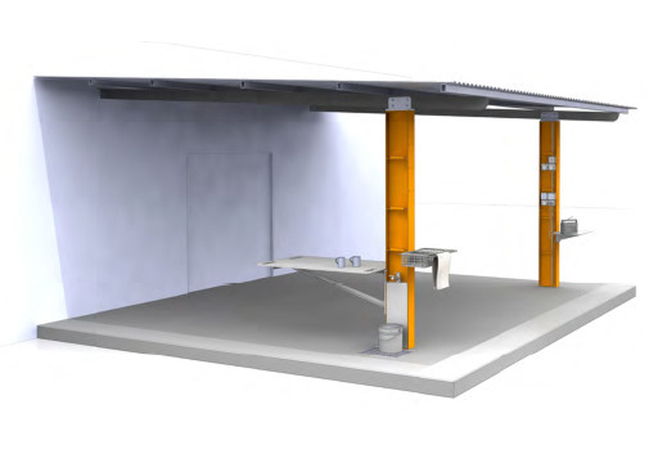
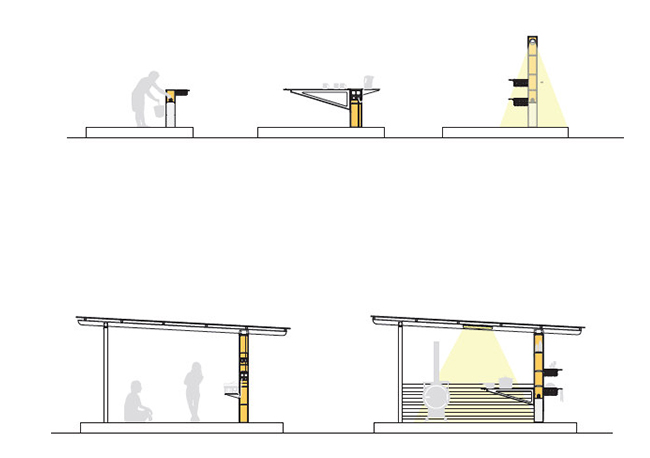
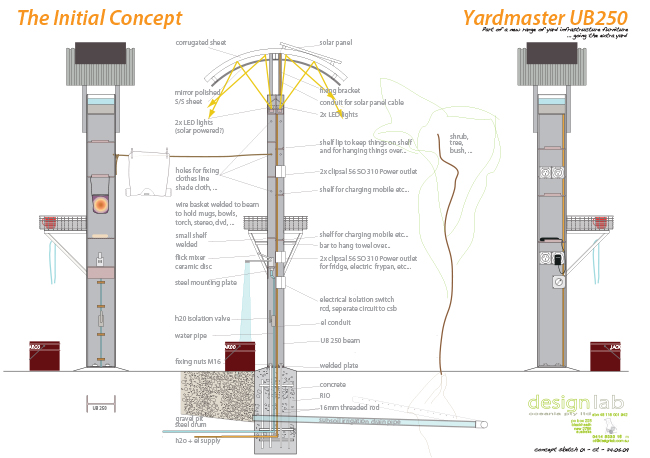
To produce a kit of parts able to be used on many houses to improve the usefulness of the yard area surrounding the house to achieve the 9 Healthy Living Practices. The yard kit components that were identified are a fencing system and gates, yard tap and stand, cooking area and clothes drying. Research was conducted on these components and sketch designs developed for each. These sketches led to the development of a multipurpose services pole that became known as the Yardmaster. This unit enables many yard functions to be accommodated where components are bolted on as required. These components include; yard taps, power points, lighting, small and large table, washing tub and taps and storage.
Trial projects
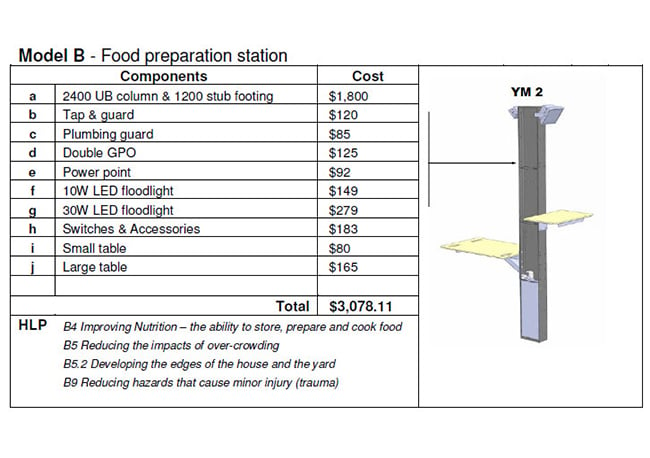
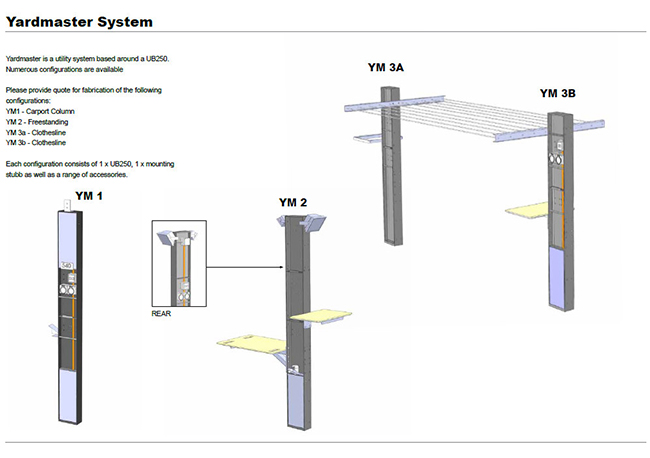
A site was identified on Groote Eylandt, Northern Territory at Angurugu where the units and fencing prototypes could be installed. A set of four units for this yard were identified and included a carport column, free standing food preparation station and a clothesline. These were documented, fabricated and have been costed. A set of design drawings has been prepared that depict the various components integrated into the yard areas within Tropical, Arid and Temperate climate zones.
The development of the kit of parts has resulted in the fabrication of a prototype fencing system and the Yard Master. These prototypes are able to be used on houses to improve the usefulness of the yard area surrounding the house to achieve the Healthy Living Practices and help improve the health of the residents.
Where to next?
For information for architects, designers, students, communities, housing managers go to :
Health Hardware Design: A Design Research Journey Towards A Healthier Australian Indigenous Living Environment by Christian Tietz
From Housing for Health - the Guide
B5.2 Developing the edges of the house and the yard
The effects of crowding can be reduced by designing useful yards and ‘edge’ spaces around the house, such as verandahs, decks, sleep-outs, shady areas for summer, and sunny, wind protected areas in winter. Allowing space between houses will increase the size of the yard and the capacity to use it for different activities. It will also reduce the overall level of crowding in the community….
Learn More