

Research and Development
Hot Water Systems
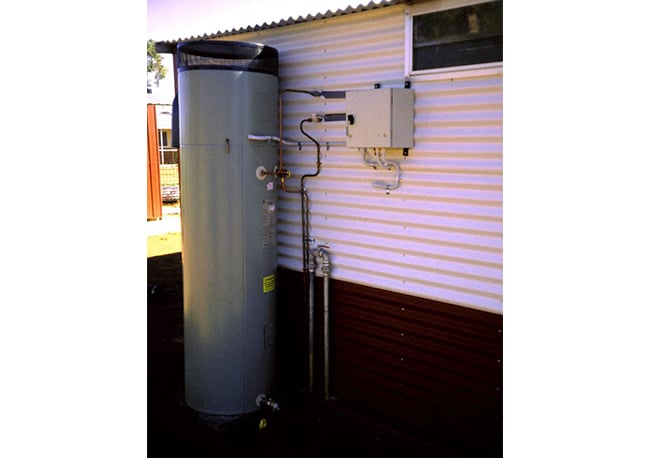
Solution:
The failure of hot water systems identified during Housing for Health survey/fix projects continues to be high and running cost a major expense.
Testing of several HWS to ensure the best fit “health hardware” is specified
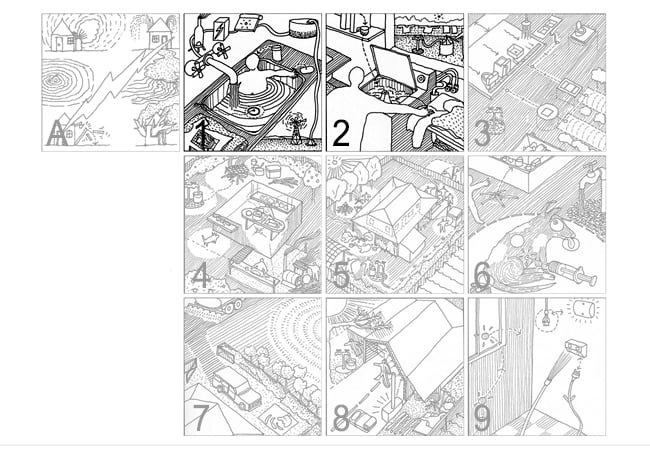
HLPs Targeted:
This R&D project focuses on Healthy Living Practice 1 – Washing People & 2 – Washing clothes and bedding
Learn More
Age Groups Affected:
This project effects the living environment of all age groups.
Project Details Better hot water systems
- Introduction
- The Problem
- The Solution
- Trial projects
- Where to next?
- From Housing for Health - The Guide
Introduction
The failure of hot water systems identified during Housing for Health survey/fix projects continues to be high and running cost a major expense.
Only 74% of Indigenous houses tested had a hot water system that delivered water at 45°C or above. (NIHG Ed 3)
The Problem
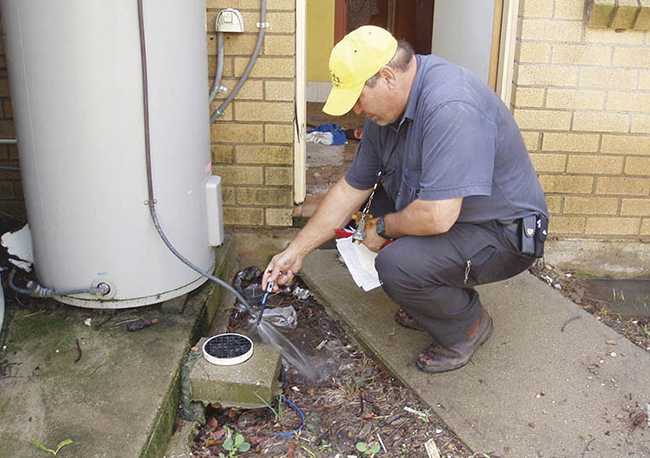
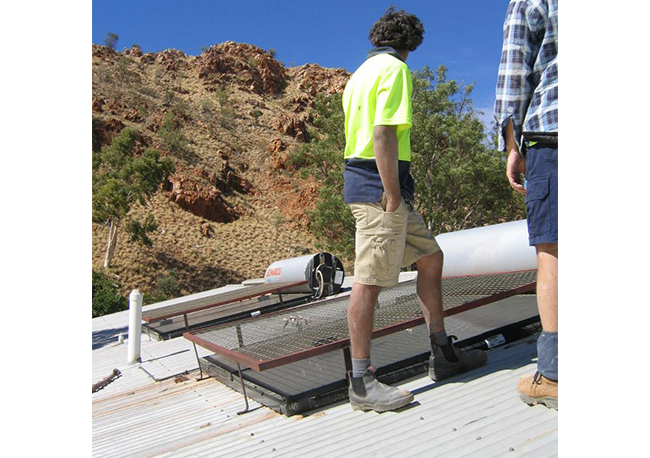
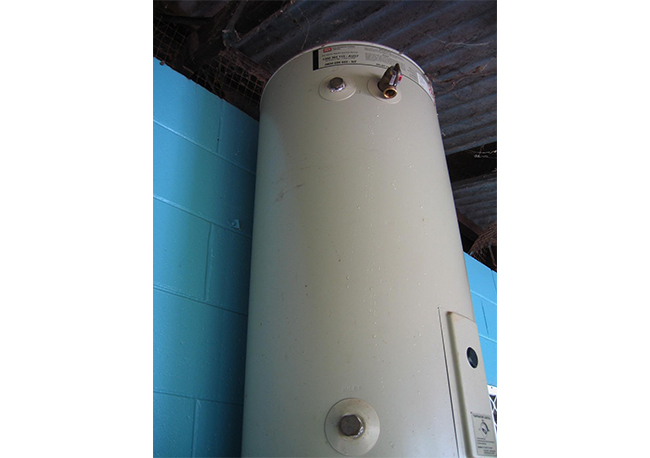
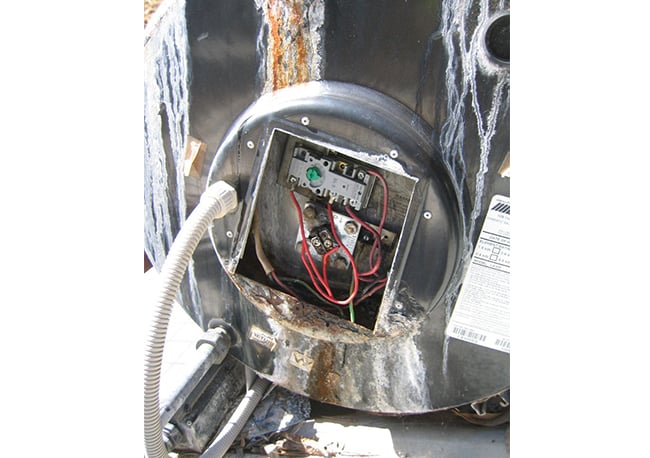
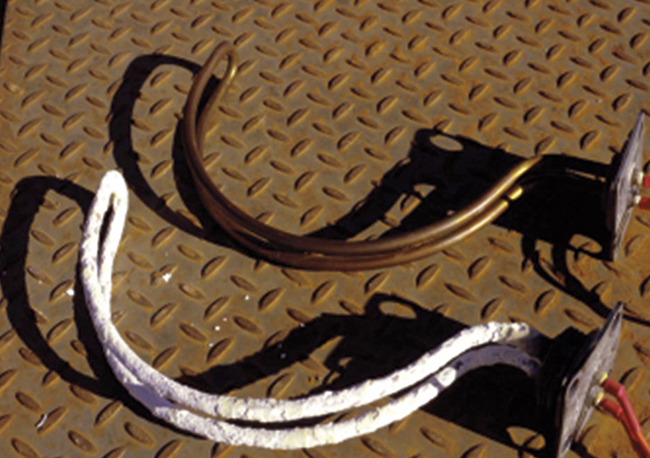
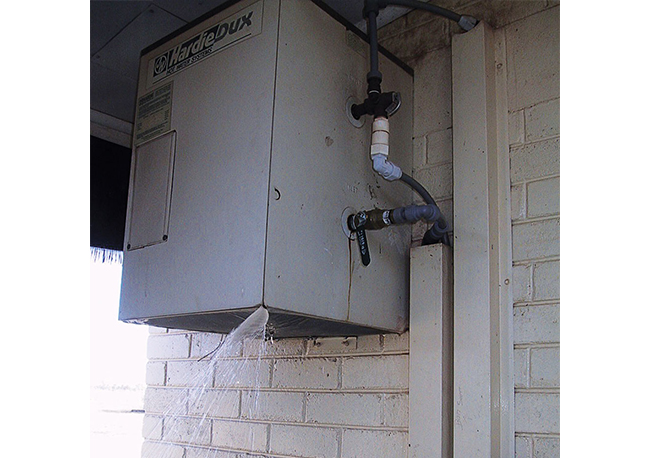
The failure of hot water systems identified during Housing for Health survey/fix projects continues to be high and running cost a major expense.
Only 74% of Indigenous houses tested had a hot water system that delivered water at 45°C or above. (NIHG Ed 3)
The Solution
Implementation of a monitoring programme of 3 different types of hot water systems: heat pump, solar and electric.
The project aimed to identify why the failure rate of hot water systems is so high in regional and remote areas, based on data collected in Housing for Health projects. To compare different hot water systems, side by side with respect to efficiency and performance in different climatic regions and with different water quality issues. Data logging was used to collect information necessary to evaluate the operation of electric, solar and heat pump type hot water systems under the influence of different climate regions, hot/arid, tropical and temperate, and water quality issues from high scaling to high corrosive issues. Analysis of the data will assist manufacturers, architects and builders to choose the most appropriate type of hot water system for the location and use requirements.
Trial projects
This component of the project built on previous information collected from a tropical location in the Tiwi Islands.
Data logging equipment was installed in locations in Nyirripi in Central Australia and Nguiu on the Tiwi Islands in order to address the widest range of water quality and climate issues possible. Data loggers were installed on three types of hot water system solar (180-300litre (l)), heat pump (220litre) and electrical (50litre).
The data systems required scheduled manual downloads onto portable computers. The data was then returned for analysis and assessment with other information.
Outcomes and Recommendations
Data retrieval from Nyirripi was inconclusive on two systems due to incorrect equipment installation. On the third system the logging equipment was removed completely from the hot water system by unknown others.
At Nguiu, data logging equipment was removed from the house with the solar system while it was under refurbishment and never returned, the equipment on the heat pump was removed during repairs and not replaced until it was discovered during a download event. Furthermore the repair on the heat pump was not carried out correctly.
Maintenance data for the hot water units under study was difficult to obtain from the service providers and installation information, incorporated into new house costings, was also difficult to obtain under contractual arrangements between the SIHIP providers and the government.
The combination of new and previous information provide the conclusions:
- The best value for money for the delivery of hot water to the house remains the solar hot water unit. (note: this is in the absence of ample data from heat pump systems)
- The best insulated hot water unit is the electric unit
- The use of manually operated booster switches can provide hot water on demand in solar units while keeping operating costs down.
- Installation and maintenance standards of hot water systems are still poor as evidenced by this project.
Where to next?
For information for architects, designers, students, communities, housing managers go to :
From Housing for Health - The Guide
B1 Washing People
Poor hygiene increases the transmission of diseases, including diarrhoeal disease, respiratory disease, hepatitis and infections. The rates of these diseases in some Indigenous communities are as high as in many developing countries and are many times higher than for non-Indigenous children.
B2 Washing Clothes and People
Regular washing of clothes and bedding, which helps to remove any bacteria, dirt, fleas, mites and other irritants or infection, can help reduce the incidence of infectious diseases, such as diarrhoeal disease, respiratory infections, scabies and other skin infections.
Learn More